The Effects of Colour
Exploring the effects of colour — how hues interact, blend to create specific tones, and influence perception - has been a continual interest of mine. Discovering the visual and psychological impact of colour and form through the works of great artists, and examining different “Ways of Seeing”, deepens the understanding of how art communicates emotion and ideas.
Art Anticipates Science
“During Pollock’s Era, nature was assumed to be disordered, operating essentially randomly. Since that time, however, two fascinating areas of study have emerged to yield a greater understanding of nature’s rules.” More about that here.
Or, The Other Way Around?
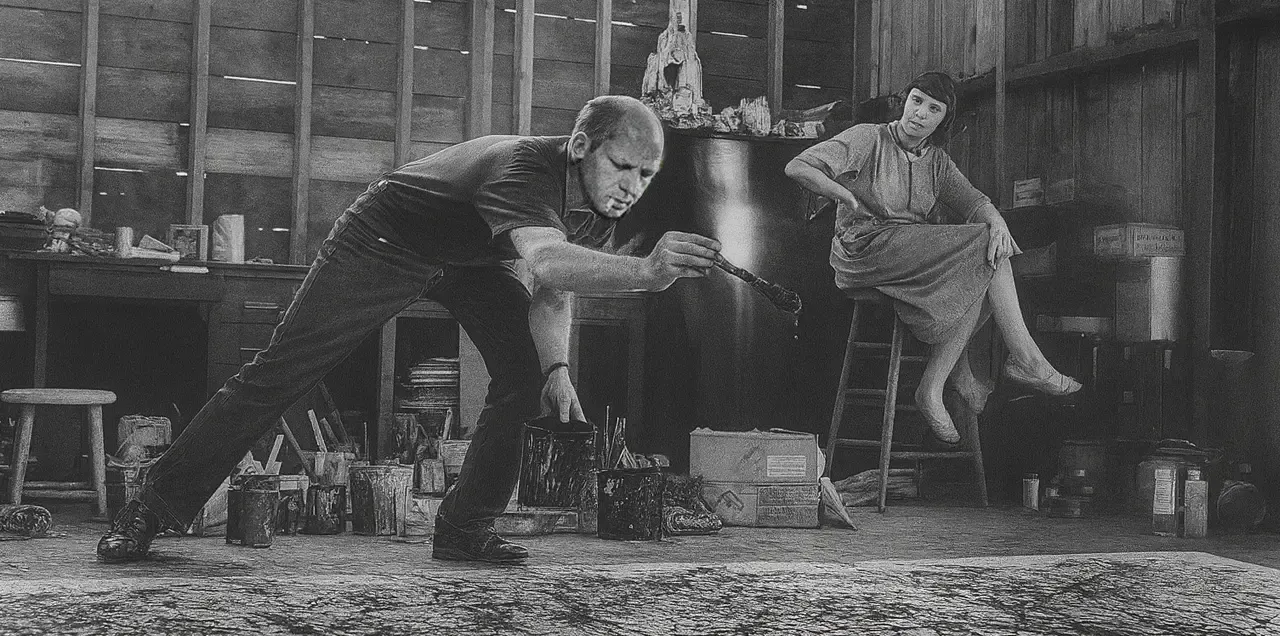
A friend introduced me to Scientific American magazine with an article about a study looking for patterns in Jackson Pollock drip paintings. At first glance, it appears unlikely that something systematic could be found in the expressive and physical act of randomly flinging paint off of a brush onto a canvas that he stood on. However, this computer analyzed study found that there was in fact repeating fractal patterning in his work, and that the means he took to arrive at that particular effect were deliberate, even if not intentional.