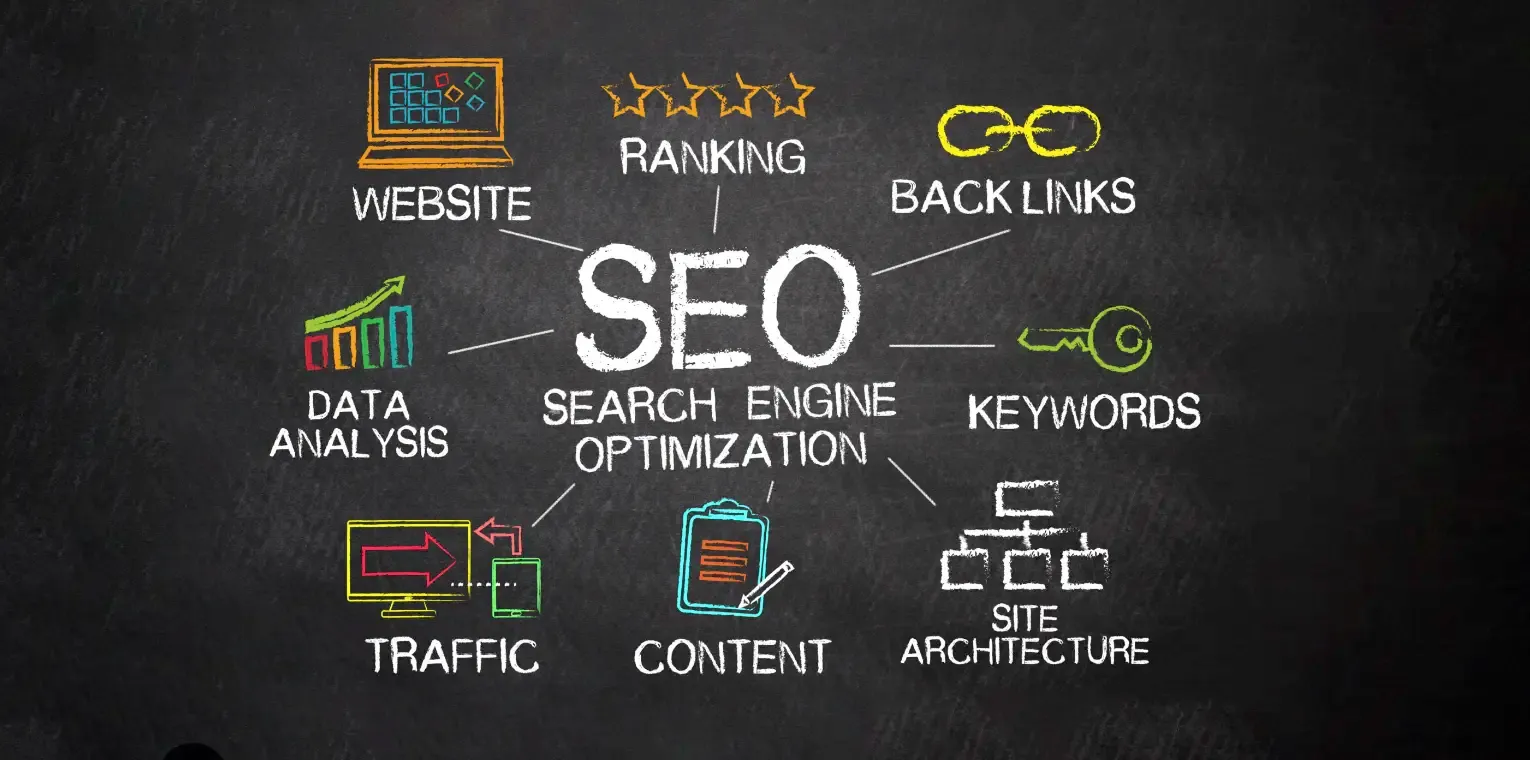
I follow standard technical SEO best practices, taking a comprehensive approach to website optimization. This includes maximizing page load speed through image and code optimization, leveraging browser caching, and minimizing server response times. Asynchronous loading of scripts and resources is implemented to prevent render-blocking and improve user experience.
Additional technical enhancements such as responsive design, semantic HTML, accessibility improvements, and structured data are applied to ensure that websites are not only fast and accessible, but also easily discoverable and indexable by search engines. The strategies below work together to create a high-performing, user-friendly, and search-optimized web presence.
Responsive Design
A responsive design approach ensures your website functions well across all devices:
- Responsive layouts with flexible grids - Fluid grid systems that adapt to any screen size
- Media queries for defining layout behaviour - Breakpoints between desktop, tablet, and mobile
- Flexible images and media - Images that scale appropriately for different devices
- Adaptive navigation - Navigation systems that work on both touch and desktop interfaces
- Readable font sizes and sufficient line spacing - Typography that remains legible at all sizes
- Viewport units for responsive typography - Text that scales based on screen dimensions
- Touch-friendly targets - Interactive elements sized for easy tapping
- Real device testing with BrowserStack - Testing across actual devices and browsers
- Minimize Cumulative Layout Shift - Prevent unexpected content movement
- Prioritize and reorder essential content - Most important content first on mobile
- Maintain appropriate margins and padding - Consistent spacing at all breakpoints
- Optimize assets and code - Fast loading on all devices and connection speeds
Performance Optimization
Website performance directly impacts SEO rankings and user experience:
- Optimized images with modern formats - WebP/AVIF with fallbacks for older browsers
- Mulitmedia files with captions - Ensure video, or multimedia files have caption, transcript elements, or audio descriptions
- Skip Navigation - Include “Skip Navigation” option so users skip repetitive elements and get to main content quicker
- Implement lazy loading - Load images and videos only when needed
- Minify and bundle CSS and JavaScript - Reduce file sizes for faster downloads
- Implement code splitting and tree shaking - Load only the code that’s needed
- Defer or async non-critical JavaScript - Prevent render-blocking resources
- Real device testing - Test performance on actual devices and networks
- Asynchronous loading for scripts - Load resources without blocking page rendering
- Optimize Core Web Vitals - Focus on LCP (Largest Contentful Paint), FID (First Input Delay), and CLS (Cumulative Layout Shift)
- Use Content Delivery Networks (CDN) - Serve content from locations closer to users
- Minimize HTTP requests - Reduce the number of server requests needed
- Performance monitoring - Regular checks with Lighthouse and PageSpeed Insights
Technical SEO Implementation
The technical foundation of SEO requires attention to multiple factors:
- Keyword research - Understanding what your audience is searching for
- Descriptive and internal links - Clear, descriptive anchor text and strategic internal linking
- Implement Schema markup - Structured data to help search engines understand content
- Optimizing site speed - Leveraging browser caching and compression
- XML sitemaps - Efficient crawling and indexing by search engines
- Google Search Console monitoring - Track search performance and issues
- Canonical tags - Prevent duplicate content issues
- Core Web Vitals optimization - Focus on user experience metrics
- Semantic HTML structure - Proper heading hierarchy and naming conventions
- Accessibility compliance - Color contrast, ARIA labels, keyboard navigation, alternative text for images, and clear and descriptive link text
- Server-side redirects - Proper handling of moved or changed content
- Open Graph and Twitter Card meta tags - Better social media sharing
Conclusion
Effective SEO in 2025 requires a holistic approach that combines technical excellence with user experience optimization. By implementing these best practices consistently across responsive design, performance optimization, and technical SEO, websites can achieve better search engine visibility while delivering exceptional user experiences across all devices and platforms.